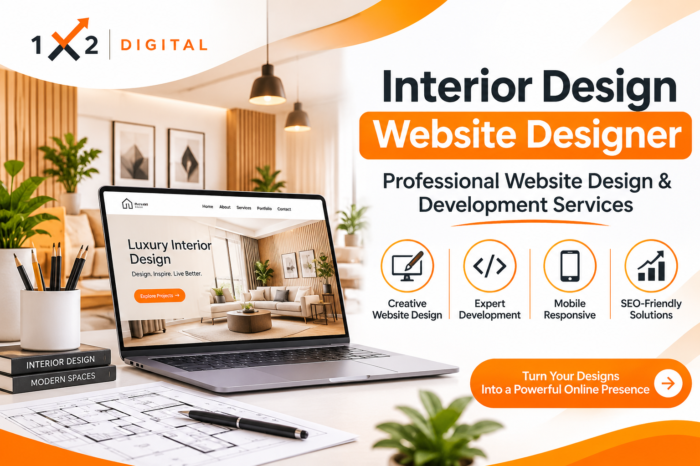
Interior Design Website Designer: Professional Website Design & Development Services
- November 20, 2026
Introduction
A beautiful interior design project deserves a website that presents it just as well. When potential clients search for an interior designer, they often visit the company’s website before making a decision. They want to see completed projects, understand the design style, explore services, and decide whether the designer is the right fit for their space.
But having a website is not enough. If your website looks outdated, takes too long to load, or makes it difficult to explore your portfolio, visitors may leave without contacting you.
This is why working with a professional interior design website designer can make a difference. A well-designed website helps interior designers present their work professionally, build trust, explain their services, and turn website visitors into potential clients.
Whether you are an independent interior designer, a design studio, or an established interior design company, your website should reflect the quality and creativity of your work.
Why Does Your Interior Design Business Need a Professional Website?
Interior design is a visual business. Clients want to understand your creativity, attention to detail, design approach, and ability to transform a space. A professional website gives you a place to communicate all these things.
Here are some important reasons to invest in a well-planned website:
- Showcase your design work: Present completed residential, commercial, and other interior projects in an organised portfolio.
- Build client trust: Share your experience, services, project details, and customer testimonials.
- Reach more potential clients: Help people discover your business through search engines and online channels.
- Explain your services: Make it easy for visitors to understand the type of interior design work you offer.
- Generate enquiries: Give interested visitors simple ways to request a consultation or discuss a project.
- Create a strong brand identity: Use consistent colours, typography, images, and messaging to reflect your design style.
Your website should work as more than an online brochure. It should help potential clients understand your value and take the next step.
What Makes a Good Interior Design Website?
The best interior design websites do more than look attractive. They combine visual presentation, easy navigation, useful information, and clear user experience.
When planning your website, focus on the following elements.
1. Clean and Attractive Website Design
Your website is often the first impression people get of your interior design business. A cluttered layout, inconsistent colours, or too much text can distract visitors from your actual work.
Choose a design that reflects your brand and gives your project images enough space to stand out.
A good layout should include:
- A clear homepage introduction.
- Simple and consistent typography.
- A balanced colour scheme.
- High-quality project photographs.
- Easy-to-use navigation.
- Clear contact and enquiry options.
Avoid adding too many animations or decorative elements. The main purpose of the design is to help visitors explore your work comfortably.
2. A Strong Interior Design Portfolio
Your portfolio is one of the most important parts of your website. It allows potential clients to see your skills and understand the quality of your work.
A professional interior design website portfolio should present projects in a clear and organised way.
For each project, consider including:
- Project name and location, where appropriate.
- Type of space, such as residential, office, or retail.
- High-quality photographs.
- Design concept and inspiration.
- Materials, finishes, and colours used.
- A short explanation of the client’s requirements and your approach.
Where possible, organise each portfolio entry like a short project case study. Explain the client’s requirements, the design challenge, the approach taken, and the final result. This gives visitors more context than photographs alone and helps them understand how you approach different interior design projects.
You can also organise your portfolio into categories such as living rooms, bedrooms, kitchens, offices, and commercial spaces.
This makes it easier for visitors to find projects that match their interests.
3. Mobile-Friendly Website Experience
Many people explore interior design websites on their smartphones. If your website is difficult to use on a smaller screen, visitors may struggle to view images, read content, or contact your business.
A mobile-friendly website should:
- Adjust properly to different screen sizes.
- Display project images clearly.
- Use readable text.
- Include easy-to-tap buttons.
- Keep menus simple.
- Make enquiry forms easy to complete.
Check your website on different devices before publishing it. A smooth mobile experience helps visitors explore your work without unnecessary difficulty.
4. Fast Loading Speed
Interior design websites often contain large photographs and visual elements. If these files are not properly optimised, they can slow down the website.
A slow website can affect the visitor experience and make it harder for potential clients to explore your projects.
To improve loading speed:
- Compress images without reducing their visual quality too much.
- Use modern image formats where suitable.
- Remove unnecessary plugins and scripts.
- Choose reliable website hosting.
- Enable browser caching where appropriate.
- Reduce unnecessary animations and heavy design elements.
A visually attractive website should also be technically efficient.
5. Clear Service Pages
Visitors should not have to guess what your business offers. Create separate service pages to explain your main interior design services.
Depending on your business, these may include:
- Residential interior design.
- Commercial interior design.
- Office interior design.
- Kitchen and bathroom design.
- Space planning.
- Furniture and lighting selection.
- Renovation and remodelling.
Each service page should explain what is included, who the service is suitable for, and how potential clients can get started.
Clear service information helps visitors understand your offerings and makes your website easier to navigate.
Important Features Every Interior Design Website Should Have
A professional website needs more than good visuals. It should also include features that help visitors find information and contact your business.
Here are some useful features to consider.
Project Gallery
Display completed projects in an organised gallery with clear image previews and category filters. If your portfolio includes different types of spaces, allow visitors to browse residential, commercial, office, and other project categories separately. Make sure images are properly optimised so the gallery remains easy to browse on mobile devices.
About Us Page
Introduce your design team, experience, working approach, and design philosophy. This helps visitors understand the people behind the business.
Client Testimonials
Genuine customer feedback can help build confidence among potential clients. Include testimonials that reflect real project experiences and client satisfaction.
Contact and Enquiry Form
Make it easy for visitors to get in touch. Include a simple enquiry form that asks for relevant details, such as the type of project, location, and contact information.
Consultation Booking
If your business offers consultations, provide a clear way for visitors to request an appointment or discuss their requirements.
Social Media Links
Connect your website with your active social media profiles. This gives visitors another way to explore your work and follow your latest projects.
Frequently Asked Questions
Answer common questions about your services, design process, consultations, timelines, and project requirements. This can help visitors understand what to expect before contacting you.
How SEO Helps Interior Design Websites Reach More Clients
A visually impressive website is valuable, but potential clients also need to find it. Search engine optimization helps improve your website’s visibility when people search for relevant interior design services.
For example, someone looking for a residential interior designer in a particular city may use Google to compare different businesses. A properly optimised website can help your business appear for relevant searches.
Important SEO practices include:
Keyword Research
Find the search terms your potential clients use when looking for interior design services.
Use relevant keywords naturally in your page titles, headings, service descriptions, and website content. Focus on terms that match the services you actually provide.
On-Page SEO
Optimise each important page with a clear title, useful headings, relevant content, descriptive image alt text, and internal links.
Avoid using the same content on every service page. Each page should provide specific information about its subject.
Local SEO
If your interior design business serves specific cities or areas, local SEO can help people discover your services in those locations.
Keep your Google Business Profile updated with accurate business details, relevant photographs, service information, and genuine customer reviews.
Technical SEO
Make sure search engines can access and understand your website. Check important technical elements such as mobile usability, page speed, indexing, XML sitemaps, HTTPS, and broken links with a proper Technical SEO approach.
SEO is an ongoing process. Regularly reviewing your website’s performance can help identify areas that need improvement.
How to Choose the Right Interior Design Website Designer
Choosing a website designer is an important decision because your website represents your business online. The right professional should understand both website development and the way interior design businesses present their work.
Before selecting a designer, consider these points:
1. Review Their Previous Work
Explore websites they have designed for creative businesses, design studios, or other service-based companies. Check the layout, image presentation, navigation, and overall user experience.
2. Check Their Portfolio
Ask to see examples of completed websites. A strong portfolio can help you understand their design quality and development capabilities.
3. Understand Their Design Process
A professional designer should first understand your business, services, target audience, brand identity, and website goals before planning the layout.
4. Ask About SEO and Mobile Responsiveness
Your website should be designed with search visibility, mobile usability, and loading speed in mind. These elements should not be treated as optional additions.
5. Discuss Website Management
Ask whether you will be able to update project images, edit service information, publish blogs, and manage basic website content without depending on a developer for every small change.
6. Understand the Cost and Timeline
Discuss the project scope, design requirements, number of pages, features, development timeline, and ongoing maintenance before starting.
Do not select a designer based only on the lowest price. Consider the quality, usability, and long-term value of the website.
How Professional Website Development Supports Your Interior Design Business
Website design focuses on how your website looks and how visitors interact with it. Website development makes sure the features and functions work properly.
Professional interior design website development may include:
- Building responsive website layouts.
- Developing project galleries and portfolio sections.
- Creating service and contact pages.
- Integrating enquiry forms.
- Setting up content management systems.
- Improving website speed and performance.
- Implementing basic SEO-friendly website structures.
- Testing the website before launch.
A properly developed website should be easy to use, reliable, and flexible enough to support your business as it grows.
How to Make Your Interior Design Website Generate More Enquiries
Getting visitors to your website is only one part of the process. You also need to encourage the right visitors to contact you.
Here are some practical ways to improve enquiries.
Use Clear Calls to Action
Add simple buttons such as “Book a Consultation”, “Discuss Your Project”, or “Contact Our Team” in relevant sections.
Display Your Best Projects First
Place your strongest and most relevant projects where visitors can easily find them. Your portfolio should quickly communicate the quality and style of your work.
Explain Your Working Process
Describe what happens after a client contacts you. Explain the consultation, planning, design, and project stages in simple language.
Make Contact Information Easy to Find
Display your phone number, email address, location, and enquiry form clearly. Avoid making visitors search through several pages to find contact details.
Build Trust With Real Information
Use genuine project photographs, customer testimonials, team details, and accurate service information. Avoid exaggerated claims or images that do not represent your actual work.
Small improvements in website structure and communication can make it easier for potential clients to take action.
Best Interior Design Website Ideas to Inspire Your Website
Exploring different interior design websites can help you understand how other design businesses present their work.
When reviewing the best interior design sites, do not focus only on their appearance. Look at how they organise projects, communicate services, and guide visitors through the website.
Here are some useful ideas to consider:
- Minimalist layouts: Use simple design elements and plenty of space to keep attention on project photographs.
- Large project images: Give completed interiors enough visual space to show their details.
- Category-based portfolios: Organise projects by room type, property type, or design style.
- Project storytelling: Explain the purpose, concept, and design decisions behind selected projects.
- Simple navigation: Make important pages easy to access.
- Clear enquiry options: Include contact buttons in places where visitors may be ready to discuss a project.
You can also explore different interior designers’ sites to understand how independent designers and larger studios communicate their brand identity.
Use these ideas as inspiration, but create a website that reflects your own business, design approach, and target clients. A website should represent your brand rather than simply copy another designer’s layout.
When Should You Redesign Your Interior Design Website?
Your website may need a redesign if it no longer supports your business goals or provides a good experience for visitors.
Consider updating it when:
- The design looks outdated compared with your current brand.
- Your project portfolio is difficult to explore.
- The website does not work properly on mobile devices.
- Pages take too long to load.
- Your services or contact details are not updated.
- Visitors struggle to find important information.
- Your website receives traffic but generates very few enquiries.
- You cannot easily update project images or website content.
A redesign should solve specific problems rather than just change colours or add new visual effects.
Review your website performance and visitor behaviour first. This helps you decide which improvements will provide the most value.
Why Choose a Professional Digital Marketing and Website Design Partner?
A website can create a strong first impression, but it should also support your wider online marketing goals. Working with a professional team can help connect website design, development, SEO, and digital marketing into one consistent strategy.
When comparing service providers, look for a team that understands your business requirements and can explain how its work will support your goals.
If you are comparing a digital marketing agency in Rajkot or a best digital marketing agency in Ahmedabad, consider its website design experience, SEO knowledge, project portfolio, communication, and support services.
Choose a partner based on the quality of its work and how well its approach matches your business needs.
Final Thoughts
Your website should reflect the creativity, professionalism, and quality of your interior design business. It should make your projects easy to explore, explain your services clearly, and help potential clients feel confident about contacting you.
Working with a professional interior design website designer can help you create a website that combines attractive visuals with practical features, mobile-friendly layouts, and a clear user experience.
Focus on a strong portfolio, useful service pages, fast loading speed, simple navigation, and SEO-friendly content. Most importantly, design your website around the needs of your potential clients.
A well-planned website can become a valuable part of your business by helping you build trust, strengthen your online presence, and create more opportunities to connect with new clients.
FAQs
1. How to Make an Interior Design Website?
To make an interior design website, choose a suitable platform, create a clean and attractive layout, add your services and project portfolio, include high-quality images, and provide clear contact details. Make sure your website is mobile-friendly, fast-loading, and SEO-optimised to attract potential clients.
2. Which Website Is Best for Interior Design?
WordPress can be a suitable platform for interior design websites because it supports flexible layouts, portfolio galleries, SEO tools, and customisation options. Wix and Squarespace are also options for designers who prefer website builders with ready-made templates. The right platform depends on your budget, design requirements, technical preferences, and plans for managing the website.
3. How to Get New Clients for an Interior Design Business?
To get new clients for an interior design business, create a professional website showcasing your portfolio, promote your work on social media, use local SEO, collect client reviews, and encourage referrals. You can also connect with real estate agents, builders, and architects to generate more business opportunities.
4. How Can I Make My Interior Design Website SEO-Friendly?
Use relevant keywords in page titles, headings, service descriptions, and image alt text. Create useful content, organise your website properly, improve loading speed, make it mobile-friendly, and maintain accurate local business information.
5. How Often Should I Update My Interior Design Website?
Update your website whenever you complete important projects, introduce new services, or change business information. Review your portfolio, images, content, and technical performance regularly to keep the website accurate and useful.
More from our blog
See all posts