How Healthcare Marketing Companies Turn Patient Searches Into Growth
- September 15, 2026
Introduction
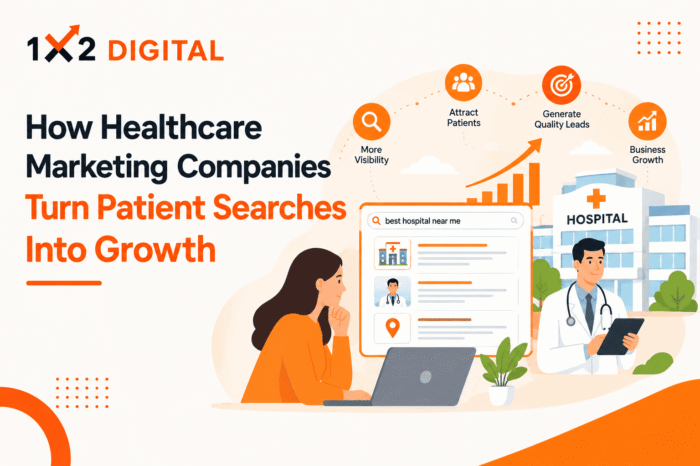
When people need a doctor, hospital, diagnostic service, or specialised treatment, their first step is increasingly a search online. They may compare doctors, check hospital services, read reviews, explore treatment options, or look for a nearby healthcare provider before making an appointment.
For healthcare businesses, simply having a website is no longer enough. The real challenge is being visible when patients are actively searching and then giving them enough relevant information to take the next step.
This is where Healthcare Marketing Companies can play an important role. A well-planned digital strategy can connect healthcare providers with the right audience, improve online visibility, and create a smoother journey from search to enquiry or appointment.
Why Healthcare Businesses Need a Strong Digital Presence
Healthcare decisions are different from many other purchasing decisions. Patients want information they can understand and trust before contacting a healthcare provider.
A potential patient may search for a specialist, a treatment, a hospital department, or a particular healthcare service. If your website does not appear for these relevant searches, another provider may receive that patient’s attention instead.
A strong digital presence helps healthcare organisations communicate their expertise before the first interaction takes place.
This includes having:
- An informative and easy-to-navigate website
- Clear doctor and specialist profiles
- Detailed healthcare service pages
- Location-specific information
- Useful educational content
- Easy appointment or enquiry options
- Consistent information across online platforms
The objective is not simply to attract more website visitors. It is to attract people whose needs genuinely match the services offered by the healthcare provider.
How Digital Marketing for Hospitals Builds Patient Visibility
Hospitals offer a wide range of departments, treatments, specialists, and supporting services. This creates many opportunities to reach patients through search, but it also makes digital marketing more complex.
Digital Marketing for Hospitals should therefore be built around the actual services and information patients are looking for.
For example, instead of promoting the hospital only through a general homepage, individual service pages can explain departments, treatments, facilities, specialists, and frequently asked questions.
Content should answer practical questions that patients commonly have before contacting a hospital.
A strong hospital strategy can combine search visibility, content, local presence, social media, paid campaigns, and conversion-focused website improvements.
When these elements work together, a hospital can remain visible throughout different stages of the patient’s research journey.
Helping Doctors Get Found by the Right Patients
Doctors and specialists often compete within specific locations and treatment categories. A patient may search for a specialist by name, condition, treatment, or location.
This makes Digital Marketing for Doctors particularly valuable for building individual professional visibility.
A doctor’s digital presence can include:
- A professionally structured profile
- Qualifications and areas of expertise
- Treatment and consultation information
- Location and appointment details
- Educational articles
- Frequently asked patient questions
- Genuine reviews and reputation signals
The focus should be on providing useful, trustworthy information rather than making exaggerated claims.
For doctors, a strong online presence can help potential patients understand their expertise before deciding whether to book a consultation.
Hospital Marketing Should Go Beyond Advertising
Traditional promotion can create awareness, but Hospital Marketing today needs to address the complete patient journey.
Someone who sees a hospital advertisement may still search for the hospital independently before making a decision. They may check its website, services, doctors, location, reviews, and available facilities.
This means every marketing touchpoint needs to support the next step.
For example:
Awareness → Search → Website Visit → Service Research → Trust Building → Enquiry or Appointment
A hospital that understands this journey can design its digital presence around patient needs rather than treating every marketing channel as a separate activity.
Make Healthcare Service Pages More Useful
One of the most overlooked opportunities in healthcare marketing is the service page.
A page about a treatment or hospital service should not simply contain a short description and a contact number. It should help a patient understand what the service is, who may need it, what the process involves, and where they can get further assistance.
Effective service pages can include:
- A clear explanation of the service
- Relevant specialists or departments
- Common questions
- Important preparation information
- Facilities or supporting services
- Location details
- Appointment or enquiry options
This approach supports the Marketing of Hospital Services while also creating a better experience for visitors.
The goal is not to make every page promotional. It is to make every page useful enough that a patient feels confident taking the next step.
Build Trust Before Asking for an Appointment
Trust is one of the most important factors in healthcare decisions.
Patients may look for qualifications, experience, hospital information, reviews, treatment details, and credible educational content before contacting a provider.
Healthcare websites should therefore communicate expertise clearly without making unrealistic promises.
Useful trust-building elements can include:
- Verified professional information
- Doctor qualifications and specialisations
- Clear hospital or clinic details
- Accurate service information
- Patient-friendly educational content
- Transparent contact and appointment processes
- Authentic reviews where appropriate
A website that answers important questions can reduce uncertainty and make the patient’s next decision easier.
Use Data to Improve Healthcare Marketing
A healthcare marketing strategy should not stop once a campaign or website update goes live.
Performance data can reveal which services attract the most interest, which pages generate enquiries, where visitors leave the website, and which marketing channels contribute to conversions.
Useful metrics may include:
- Organic search traffic
- Service-page visits
- Appointment enquiries
- Phone or form interactions
- Conversion rates
- Local search visibility
- Campaign performance
- Cost per qualified lead
This allows healthcare businesses to move away from assumptions and make decisions based on actual user behaviour.
Choosing the Right Healthcare Marketing Companies
Choosing a digital marketing partner should involve more than comparing service packages or promises of higher rankings. Businesses looking for the best digital marketing agency in Ahmedabad should consider the agency’s understanding of their goals, target audience, and healthcare marketing requirements.
The right Healthcare Marketing Companies should understand that healthcare audiences need a different communication approach. They should be able to understand patient search behaviour, analyse competitors, create useful content, improve website visibility, and measure meaningful business outcomes.
For healthcare businesses in Rajkot, choosing Healthcare Digital Marketing Companies in Rajkot can also help create a strategy that considers the local audience, competition, and patient search behaviour.
A good strategy should connect marketing activity with the complete patient journey rather than treating SEO, paid advertising, social media, and content as disconnected tasks.
The strongest approach is one that answers three questions:
Are the right patients finding us?
Are they finding useful and trustworthy information?
Can they easily take the next step?
Turn Patient Searches Into Meaningful Growth
Healthcare marketing is not simply about getting more people to see a hospital, doctor, or healthcare brand. It is about being present when people need information and making it easier for them to choose the right next step.
From improving service pages and doctor profiles to strengthening search visibility and measuring enquiries, every part of the digital experience can contribute to growth.
For healthcare providers, the opportunity is clear: instead of waiting for patients to discover the brand, build a digital presence that helps the right patients find it when they are actively searching.
That is where a thoughtful healthcare marketing strategy can turn patient searches into meaningful business growth.
FAQs
1. What do Healthcare Marketing Companies do?
Healthcare Marketing Companies help hospitals, clinics, doctors, and other healthcare providers improve their online visibility and connect with relevant audiences. Their work can include SEO, content, paid advertising, social media, website optimisation, and performance tracking.
2. How can digital marketing help hospitals attract patients?
Digital marketing can help hospitals become visible when people search for healthcare services, treatments, specialists, or hospitals. Useful service pages, local visibility, educational content, and convenient appointment options can support the patient journey from search to enquiry.
3. Why is Digital Marketing for Doctors important?
Patients often research doctors online before booking a consultation. A strong digital presence can help doctors communicate their qualifications, specialisations, services, and expertise while making it easier for potential patients to find relevant information.
4. What is the role of SEO in healthcare marketing?
SEO helps healthcare websites become more visible for relevant searches. It can improve the discoverability of doctor profiles, treatment pages, hospital services, and location-based information while attracting users who are actively looking for healthcare solutions.
5. How can hospitals promote their different services online?
Hospitals can create dedicated, informative pages for important departments and services. Each page should clearly explain the service, provide relevant information, answer common questions, and offer a simple way for visitors to enquire or book an appointment.
More from our blog
See all posts