Turn Travel Dreams Into Bookings With Tour and Travel Advertisement
- October 19, 2026
Introduction
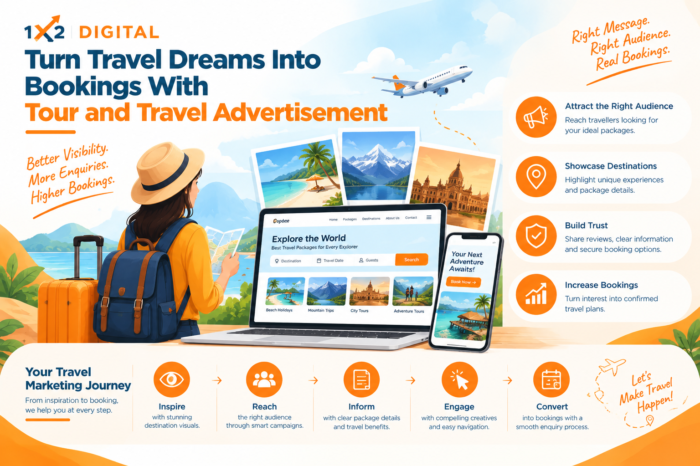
A traveller sees a picture of a peaceful beach, a mountain covered in snow, or a city full of historic attractions. The destination catches their attention, and they start imagining their next holiday. But between that first moment of interest and an actual booking, several decisions still need to be made. They compare packages, check prices, look for reliable travel operators, read reviews, and decide whether the trip fits their plans.
This is where Tour and Travel Advertisement becomes important. For travel businesses, advertising is not simply about showing beautiful destinations. It is about helping the right people understand what a trip offers, why it suits their needs, and how they can take the next step with confidence.
A well-planned advertising approach connects destination inspiration with practical travel information. It helps tour operators, travel agencies, and holiday package providers reach relevant audiences, explain their offers clearly, and encourage genuine booking enquiries.
Why Some Travel Offers Get Attention but Few Bookings
An advertisement may receive likes, video views, and website visits without generating many enquiries. This can happen when the creative looks attractive but leaves travellers with unanswered questions.
People planning a holiday usually want more than a collection of destination photographs. They may need to know what the package includes, how many days the trip lasts, whether transport and accommodation are covered, and what additional expenses they should expect.
For example, an advertisement promoting a family holiday could attract attention with pictures of a popular destination. However, parents may hesitate if they cannot find the itinerary, hotel details, child-friendly activities, or clear contact information.
Effective Travel Agency Advertising connects the emotional appeal of a holiday with the practical information people need to make a decision. The goal is not just to attract attention. It is to attract travellers whose expectations match the service being offered.
Similarly, effective Travel Company Advertising helps businesses present their packages clearly, reach suitable audiences, and set realistic expectations before travellers enquire.
Build the Advertisement Around the Traveller’s Actual Decision
Before creating a campaign, a travel business should understand what its potential customers are trying to decide. Someone searching for a weekend getaway has different needs from someone planning an international honeymoon or a family vacation during school holidays.
Match the Package to a Specific Type of Traveller
Instead of promoting every package to everyone, organise campaigns around meaningful travel needs. These could include family holidays, adventure trips, group tours, romantic getaways, pilgrimage tours, or short weekend breaks.
Each advertisement should explain why that particular package is suitable for its intended audience. A family-focused campaign might highlight the itinerary, accommodation arrangements, and activities suitable for different age groups. An adventure tour could focus on the experience, activity level, trip duration, and preparation required.
This approach makes the message more relevant and helps potential customers identify whether the offer fits their plans.
Give Travellers Enough Information to Compare Options
When people compare travel packages, unclear details can create hesitation. Important information should be easy to find on the advertisement or the page it leads to.
Depending on the package, this may include:
- Destination and trip duration.
- Main experiences and places included in the itinerary.
- Accommodation and transport arrangements.
- Package price and clearly explained exclusions.
- Booking conditions and contact details.
Travel companies do not need to put every detail into a single advertisement. They should, however, make it easy for interested people to find the information required before enquiring.
Destination Advertising Should Sell the Experience, Not Just the Place
A destination name tells travellers where they could go. A strong Destination Advertising message helps them understand what they could experience there.
Consider two ways to promote a hill-station package. One advertisement simply displays a mountain view with the destination name. Another explains that the package is designed for travellers looking for a relaxed short break, with scenic viewpoints, comfortable accommodation, and a planned itinerary.
The second message gives potential customers a clearer reason to explore the offer, provided those features are genuinely included in the package.
Travel businesses can make destination campaigns more useful by focusing on the following details:
- The purpose of the trip: relaxation, adventure, sightseeing, cultural experiences, or family time.
- The best-fit audience: couples, families, solo travellers, or organised groups.
- The actual experience: activities, local attractions, food experiences, or guided tours available in the package.
- The practical arrangements: duration, travel dates, inclusions, and booking requirements.
Seasonal relevance can also shape the message. A summer holiday campaign, a monsoon getaway, and a winter trip may appeal to different audiences. Rather than promoting the same offer throughout the year, businesses can adjust their campaigns to match suitable destinations, confirmed availability, and the travel plans of their audience.
Use Search Advertising to Reach Travellers Who Are Ready to Plan
Social media can introduce people to destinations they have not considered before. Search advertising serves a different purpose: it can help a travel business appear when people actively search for a destination, package, or travel service.
For example, a person searching for a family holiday package to a particular destination may already be comparing options. A relevant Google Ads campaign can direct that person to a dedicated page explaining the matching package.
Businesses can explore Google Ads campaign management to understand how paid search campaigns can support their marketing goals.
A travel campaign should be organised around the services actually offered. Separate ad groups or campaigns may be appropriate for different destinations, package types, or customer needs, depending on the available budget and search demand.
The landing page matters just as much as the advertisement. If an ad promises a specific holiday package, visitors should reach a page that clearly explains that package—not a generic homepage where they must search again.
Campaign performance should also be reviewed regularly. Search terms, relevant enquiries, booking outcomes, and advertising costs can help a business identify which offers deserve more attention. Clicks alone do not establish whether a campaign is producing profitable bookings.
Turn Travel Enquiries Into Confirmed Bookings
Receiving an enquiry is an important step, but it does not automatically mean a trip will be booked. Travellers may contact several providers, wait for approval from family members, or need additional details before paying.
This makes the enquiry experience an important part of travel marketing.
Make the Next Step Easy
Every campaign should offer a clear next action, such as checking package details, requesting a customized itinerary, speaking with a travel consultant, or asking about available dates.
Avoid sending visitors through too many pages before they can contact the business. A mobile-friendly landing page with a clear enquiry form, visible contact information, and relevant package details can reduce unnecessary friction.
Respond With Useful Information
When a potential customer enquires, the response should address their actual requirements. If they ask about a family trip, provide relevant itinerary and accommodation information. If they ask about a group tour, explain the group arrangements and applicable conditions.
Travel businesses should also establish a consistent follow-up process. A polite follow-up can help people who are still comparing options, but repeated messages or pressure-based sales tactics can damage trust.
Learn From Lost Enquiries
Not every enquiry will become a booking. Instead of treating each lost enquiry as a failure, look for recurring reasons. Travellers may be finding the price unclear, requesting unavailable dates, or expecting services that the package does not include.
These patterns can help businesses improve their offers, website information, advertising messages, and customer communication.
Make the Travel Website Part of the Advertising Strategy
Advertising may bring people to a travel website, but the website needs to support the decision that brought them there.
A useful package page should explain the destination, itinerary, duration, inclusions, exclusions, pricing conditions, and booking process wherever applicable. Current photographs and accurate descriptions help set realistic expectations.
Travel businesses should also make sure that important pages work properly on mobile devices. Many potential customers browse destinations and compare packages on their phones. Slow-loading pages, broken enquiry forms, outdated prices, and missing contact details can make the booking process unnecessarily difficult. Improving the landing page optimisation process can help businesses identify website elements that create friction and make it easier for interested travellers to enquire.
Local search visibility may be valuable for agencies that serve customers in a particular city or region. Maintaining accurate business information and improving relevant local website pages can help potential customers discover the agency. Businesses can explore local SEO services as part of a broader visibility strategy.
Plan Travel Advertising Campaigns Around Real Demand
Travel demand can change with school holidays, public holidays, weather conditions, destination events, and customers’ annual leave plans. A campaign that works well for one travel period may not perform the same way during another.
Planning ahead gives businesses time to prepare suitable packages, create destination-specific content, and allocate budgets according to their priorities.
Before launching a seasonal campaign, check whether the advertised package is available, whether the pricing is current, and whether the team can handle the expected enquiries. Advertising a limited-time offer without clear terms or promoting dates that are no longer available can frustrate potential customers.
Businesses can also compare performance across different travel periods. For instance, reviewing enquiries and bookings from a holiday campaign against the cost of running it can help inform the next campaign. The useful question is not simply which destination received the most attention, but which offers attracted suitable customers and delivered worthwhile business results. A data-driven Google Ads strategy can provide additional guidance on using search intent and campaign performance data to refine advertising decisions.
Measure the Results That Matter to a Travel Business
When planning Travel Advertising Campaigns, businesses need clear performance measures. The right metrics depend on the campaign objective, but travel businesses should look beyond impressions and clicks.
Useful measures include:
- Qualified enquiries: How many enquiries match the destinations, budget, and services the business offers?
- Enquiry-to-booking rate: How many enquiries eventually become confirmed bookings?
- Cost per enquiry: How much advertising spend is required to generate an enquiry?
- Cost per booking: How much does the campaign cost for each confirmed booking attributed to it?
- Revenue and profitability: Are the resulting bookings financially worthwhile after considering relevant costs?
- Campaign and landing-page performance: Which messages and pages attract relevant visitors and encourage useful actions?
Tracking should be set up carefully so that form submissions, calls, and confirmed bookings are recorded as accurately as possible. Where customers complete their booking offline, the business may need a process for connecting enquiry records with final booking outcomes. Proper campaign tracking and conversion measurement can help businesses understand how visitors interact with their website and evaluate the actions generated by their marketing efforts.
Comparing these results helps travel companies make informed decisions about their advertising budget instead of relying only on visible engagement.
How the Right Digital Marketing Partner Can Support Travel Businesses
Travel businesses often need to coordinate several activities: paid advertising, destination content, website improvements, local visibility, campaign tracking, and enquiry optimisation. When these activities are planned separately, the message customers see in an advertisement may not match the experience they receive after clicking.
A digital marketing partner can help bring these activities together, identify gaps in the customer journey, and measure whether campaigns are contributing to business goals.
Businesses evaluating a digital marketing agency in Rajkot or the best digital marketing agency in Ahmedabad should look beyond broad promises. Ask how the team researches the audience, structures campaigns, evaluates lead quality, tracks conversions, and reports results.
For a travel company, a useful marketing strategy should reflect its actual packages, target customers, booking process, and budget. The aim is to build a system that attracts relevant travellers and helps the business convert interest into measurable outcomes.
Conclusion
Effective Tour and Travel Advertisement begins with understanding what travellers need before they book. Attractive destination visuals can create interest, but clear package information, relevant campaign targeting, a useful website, and timely customer communication help people move towards a decision.
Travel businesses that connect advertising with the complete booking journey can learn which messages attract suitable customers, where potential bookings are being lost, and which campaigns deserve further investment.
The strongest approach is not to advertise every package to everyone. It is to present the right travel experience to the right audience, make the details easy to understand, and give interested travellers a straightforward path from discovery to booking.
FAQs
1. How to advertise travel and tours?
You can advertise travel and tours through Google Ads, social media, and your travel website. Share attractive destination photos, highlight package details and prices, and target people interested in your destinations. Make it easy for potential customers to enquire, compare packages, and book their trips.
2. Why is clear package information important in travel advertising?
Clear package information helps travellers understand the itinerary, price, inclusions, and booking conditions before enquiring. It sets realistic expectations, helps people compare options, and can attract enquiries from travellers whose needs match the offer.
3. Can you give me an example of a travel advertisement?
Discover Your Dream Destination! Enjoy unforgettable holidays with our specially designed travel packages. Explore beautiful destinations, comfortable stays, and exciting experiences. Contact us today to plan your next trip!
4. How to get more clients at a travel agency?
A travel agency can attract more clients by promoting relevant travel packages through Google Ads, social media, and its website. Share clear package details, encourage genuine customer reviews, and respond promptly to enquiries. Understanding travellers’ needs can help build trust and encourage more bookings.
5. What are the best marketing strategies for a travel agency?
The best marketing strategies for a travel agency include understanding the target audience, promoting seasonal travel packages, and creating destination-specific campaigns. Travel agencies can also use Google Ads to reach people searching for trips, share useful travel content on social media, and track enquiries and confirmed bookings to measure campaign performance.
More from our blog
See all posts