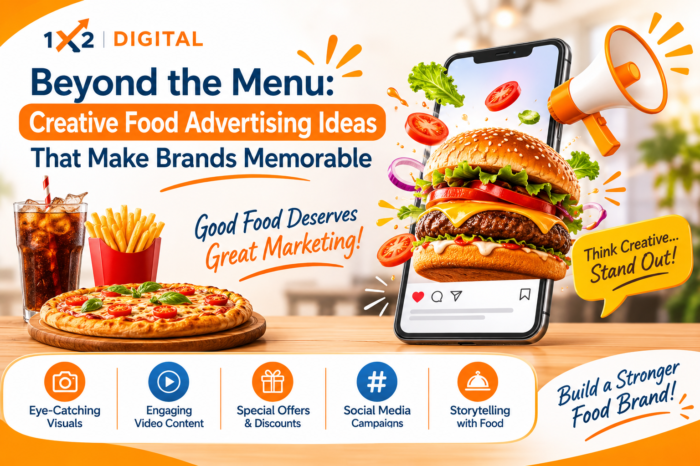
Beyond the Menu: Creative Food Advertising Ideas That Make Brands Memorable
- September 28, 2026
Introduction
A delicious product can attract attention, but the way a food brand presents it often determines whether people remember it. From a restaurant introducing a new dish to a packaged food company launching its latest product, effective advertising helps businesses communicate what makes their offerings worth choosing.
This is where Food Advertising becomes more than attractive food photography or promotional offers. It gives businesses an opportunity to share their personality, highlight what makes their products different, and connect with customers through relevant messages.
However, not every campaign needs a large budget or an elaborate concept. Sometimes, a relatable situation, an interesting product story, or a well-timed offer can make a stronger impression than a complicated advertisement. The key is to understand the audience and develop creative ideas that fit the brand.
Why Some Food Brands Stay in People’s Minds
People encounter food promotions across social media, search engines, restaurant menus, delivery platforms, and outdoor advertisements. With so many messages competing for attention, brands need a clear reason for customers to remember them.
Several elements can help make a campaign more memorable.
A Distinctive Brand Identity
Customers should be able to recognise a brand through its visual style, tone of voice, product presentation, or messaging. Consistent colours, photography, packaging, and communication help create a familiar identity over time.
For example, a bakery might focus on the freshness of its products and the care that goes into preparing them. A quick-service restaurant may highlight convenience and satisfying meal combinations. Each brand can build recognition by communicating a consistent message.
A Connection With Everyday Moments
Food is part of birthdays, family gatherings, office breaks, celebrations, and ordinary daily routines. Advertising becomes more relatable when it reflects these situations rather than simply listing product features.
A campaign showing friends sharing a meal after work, for instance, can communicate the experience associated with a restaurant. The product remains important, but the context gives customers another reason to connect with the brand.
A Consistent Customer Experience
An advertisement creates expectations. The actual product, service, packaging, and ordering experience should support the message.
If a campaign promotes freshness, convenience, or quality, customers should experience those qualities when they make a purchase. Consistency between advertising and delivery helps build trust and encourages repeat business.
7 Creative Directions for Fresh Food Advertising Campaigns
A strong campaign begins with a clear idea that suits the product and its audience. Instead of repeating the same promotional format, businesses can explore different creative approaches.
1. Tell the Story Behind a Signature Product
Every food business has something worth highlighting, whether it is a popular recipe, a distinctive flavour, a special preparation method, or the inspiration behind a product.
Use that story to give customers a reason to look beyond the price. A restaurant could explain what makes its signature dish different, while a packaged food brand could highlight the ingredients and preparation details that are relevant to its customers.
Keep the story specific and truthful. Real product details are more convincing than broad claims about being the best or most authentic.
2. Build Campaigns Around Everyday Moments
Relatable situations can make food promotions feel natural rather than overly sales-focused.
A café might create a campaign around the first coffee of the morning. A family restaurant could highlight weekend meals, while a snack brand might focus on convenient options for a busy day.
The message should connect the product with a genuine customer need. This approach helps people understand when the product might fit into their lives.
3. Show How the Product Is Prepared
Food preparation can provide engaging visual material for advertisements. A video of dough being shaped, a dish being assembled, or a beverage being prepared can help customers appreciate the process behind the finished product.
Restaurants can use short videos to introduce their kitchen process or showcase the preparation of selected dishes. Packaged food businesses can demonstrate how their products are used in recipes, provided the presentation accurately reflects the product.
Focus on one interesting detail at a time. The aim is to make the product easier to understand and appreciate, not simply to fill a video with close-up shots.
4. Turn Customer Feedback Into Creative Ideas
Customer questions, preferences, and feedback can reveal what people find useful or interesting about a product.
For example, if customers regularly ask how to serve a packaged sauce, a brand could create a simple recipe campaign. If restaurant visitors often discuss a signature dessert, the business could develop a promotion around that item.
Customer-inspired campaigns should respect privacy and obtain permission before using identifiable customer content. Feedback can guide creative decisions without requiring businesses to publish private conversations or make unsupported claims.
5. Make a New Product Launch Feel Like an Event
A new menu item or packaged product gives a brand a natural reason to communicate with its audience. Instead of publishing one announcement and moving on, businesses can plan a sequence of messages.
A campaign might introduce the product’s main feature, reveal its appearance, demonstrate how it is used, and then share availability details. Restaurants could also invite customers to try a new dish during a specified promotional period.
Keep the central message consistent throughout the launch. Customers should understand what is new, why it may interest them, and where they can find it.
6. Use Seasonal and Occasion-Based Opportunities
Festivals, holidays, changing weather, and local events can create relevant opportunities for food promotions.
A bakery might feature products suitable for celebrations, while a café could promote refreshing drinks during warmer months. Restaurants can also develop group-dining offers around occasions when customers are likely to eat together.
Seasonal campaigns work best when the promotion genuinely fits the occasion. Avoid adding festive language or imagery without giving customers a relevant reason to consider the product.
7. Adapt One Campaign Idea Across Different Formats
A good campaign concept can often be used across several marketing channels without repeating exactly the same content.
For example, a restaurant promoting a signature meal could create:
- A short video showing the dish being prepared.
- A social media post highlighting its main features.
- A digital poster displaying the offer and availability.
- A website section with menu details supported by effective restaurant website design.
- A paid advertisement directing interested customers to the menu or ordering page.
Each format should serve a specific purpose. A video may create interest, while a menu page helps customers find the information they need before ordering.
This approach allows businesses to maintain a consistent message while adapting the presentation to different platforms.
Creating Food Ads That Communicate More Than a Product Photo
An attractive image can help stop someone from scrolling, but the rest of the advertisement must give the viewer a reason to pay attention.
Effective Food Ads bring together three elements: visuals, messaging, and a clear purpose.
Choose Visuals That Match the Product
Food photography should make the product easy to recognise and accurately represent what customers can expect. Lighting, composition, background, and presentation can all influence how the advertisement feels.
A premium bakery may choose a clean, detailed presentation, while a casual food outlet might use a more energetic visual style. The choice should reflect the brand rather than follow a trend simply because it is popular.
Keep the Main Message Clear
An advertisement does not need to communicate everything at once. Focus on one main idea, such as a new product, a special offer, a signature dish, or a convenient ordering option.
Supporting details should make the message easier to act on. If an offer has conditions, dates, or availability limits, communicate them clearly.
Give Customers a Useful Next Step
The next step depends on the campaign’s objective. A customer may need to view a menu, find a nearby outlet, explore a product, place an order, or learn more about a promotion.
Use a relevant call to action rather than a generic instruction. The destination should also match the promise made in the advertisement.
Advertising in Restaurants: Encourage Visits and Repeat Orders
Restaurant promotions need to do more than showcase attractive dishes. They should help potential customers understand the dining experience and make it easier for existing customers to return.
Advertising in Restaurants can support several business objectives.
Promote Menu Highlights
Instead of advertising the entire menu in one campaign, choose a dish, meal combination, or speciality that deserves attention. Explain what makes it worth exploring and include accurate information about its availability.
Communicate Offers Clearly
Special menus, group meals, and limited-period offers can attract interest when the terms are easy to understand. Mention relevant details such as the offer period, participating items, or applicable conditions.
Make the Dining Experience Visible
Customers may want to know more than what is served. Depending on the restaurant, useful content could highlight the atmosphere, seating arrangements, family-friendly facilities, or suitability for group gatherings.
Only include details that accurately represent the establishment.
Stay Connected With Customers Online
Restaurants can use regular social media content to share menu updates, seasonal items, customer-approved content, and important announcements. A consistent presence helps customers discover what is happening at the restaurant.
Businesses looking to improve this area can explore social media marketing for restaurants.
Fast Food Advertising Ideas That Capture Attention Quickly
Fast-food customers often make decisions based on convenience, menu preferences, value, and availability. Fast Food Advertising should communicate the most relevant information quickly while giving the brand a recognisable identity.
Highlight Meal Combinations
A campaign can showcase a burger, side dish, and beverage as a complete meal. If the promotion includes a price or saving, make sure the advertised terms are accurate and easy to understand.
Introduce Limited-Time Products
A new flavour or temporary menu item can give customers a reason to explore the menu. Explain what makes the item different and clearly state how long it is available, if the offer has a fixed end date.
Make Menu Discovery Easier
Customers may be unfamiliar with a particular item or unsure what to order. Short videos, product descriptions, and clear menu visuals can help them compare available options.
Keep the Brand Recognisable
Use a consistent visual identity and tone across digital advertisements, menus, packaging, and promotional material. Customers should be able to connect the campaign with the brand even when they see it on different platforms.
Food Ad Posters: Use Design to Deliver One Clear Message
Food Ad Posters can support promotions in physical locations, digital campaigns, takeaway counters, events, and other relevant placements. Their effectiveness depends on whether the intended audience can understand the message quickly.
A useful poster should include:
- A clear visual focus: Give the featured product or offer enough space to stand out.
- A concise headline: Explain the main reason to pay attention.
- Essential details: Include accurate prices, dates, product names, or conditions where relevant.
- Consistent branding: Use the brand’s colours, logo, and visual style appropriately.
- A relevant next step: Direct viewers to the menu, website, outlet, or ordering channel when needed.
Avoid crowding the design with too many images, fonts, and promotional messages. A simple layout often makes the main offer easier to understand.
For digital posters, also check how the design appears on mobile screens. Important details should remain readable without requiring customers to zoom in.
Food Product Advertising: Build Recognition Beyond the First Purchase
For packaged food businesses, advertising needs to help customers recognise the product, understand its intended use, and find the information required to make a purchase decision.
Food Product Advertising can focus on several areas.
Explain How the Product Fits Into Daily Life
Recipe ideas, serving suggestions, and meal inspiration can help customers understand how a product may be used. For example, a packaged ingredient brand could demonstrate a simple dish made with the product.
Keep preparation instructions and product-use claims accurate.
Make Product Information Easy to Find
Customers may want to understand the product’s ingredients, pack size, flavour, storage requirements, or other relevant details. Present the information clearly and ensure it agrees with the actual packaging and applicable requirements.
Support Recognition Across Channels
Consistent product photography, packaging presentation, and brand messaging can help customers recognise a product across advertisements, online listings, and retail displays.
Make the Purchase Path Clear
An advertisement should lead customers to a relevant destination, such as a product page, store locator, retailer listing, or participating outlet. If the product is available only in selected locations, communicate that limitation clearly.
How to Develop a Distinctive Food Advertising Campaign Without Overspending
Creative advertising does not always require a large production budget. A focused plan can help businesses use their time and resources more effectively.
1. Start With One Business Priority
Decide what the campaign needs to achieve. The objective could be introducing a new product, increasing awareness of a restaurant, promoting a seasonal offer, or bringing more relevant visitors to a product page.
A clear objective makes it easier to choose the right message and measure the results.
2. Understand the Intended Audience
Consider who is most likely to be interested in the product, what information they need, and where they might discover it. A local restaurant and a packaged food brand may need different messages and distribution channels.
3. Choose a Practical Creative Format
Use the resources available to develop content that supports the campaign’s objective. A short product video, a well-designed poster, or a useful recipe demonstration may be enough to test an idea before investing in a larger campaign.
4. Plan Where the Campaign Will Appear
Choose channels based on the audience and desired action. Social media may help introduce a product, search advertising can connect with relevant queries, and a website can provide detailed information.
Avoid spreading a limited budget across too many channels without a clear reason.
5. Review the Results and Improve
Track relevant outcomes, such as website visits, enquiries, menu views, orders, or campaign engagement. Compare results with the original objective and use the findings to improve the next campaign.
A creative idea becomes more useful when the business learns which messages and formats work best for its audience.
How 1into2 Digital Can Help Food Businesses Develop Their Online Presence
Creative campaigns are more effective when they form part of a clear digital marketing plan. Food businesses may need different approaches depending on whether they operate a restaurant, sell packaged products, or serve customers in a specific local area.
1into2 Digital supports businesses with digital marketing activities that can help improve online visibility and connect campaigns with relevant audiences.
For a restaurant, this may mean improving local visibility and promoting menu highlights. A packaged food brand may need product-focused campaigns and a clearer path from discovery to purchase.
Depending on the business’s objectives, relevant activities may include:
- Search engine optimisation (SEO): Help relevant pages become easier for search engines and potential customers to discover.
- Social media marketing: Plan content that presents products, communicates updates, and supports brand recognition.
- Google Ads: Reach audiences through relevant paid search campaigns and other suitable advertising formats.
- Conversion rate optimisation (CRO): Identify opportunities to make website pages and customer journeys clearer and easier to use.
The right combination depends on the business model, audience, budget, and campaign goals. Explore 1into2 Digital’s digital marketing services to learn more about its offerings.
Businesses looking for location-focused support can also explore the digital marketing agency in Rajkot and digital marketing agency in Ahmedabad pages.
Final Thoughts
Memorable food advertising starts with understanding what makes a product relevant to its audience. A clear story, relatable situation, useful demonstration, or well-planned promotion can give customers a stronger reason to notice and remember a brand.
Whether a business is promoting restaurant dishes, fast-food offers, posters, or packaged products, the goal should remain the same: communicate a meaningful message, represent the product accurately, and make the next step clear.
By combining creative thinking with consistent branding and performance measurement, food businesses can build campaigns that do more than attract attention. They can help customers understand the brand and make informed decisions about what to try next.
FAQs
1. What Is Food Advertising?
Food Advertising is the promotion of food products, restaurants, meals, or food-related services through channels such as social media, search advertising, websites, posters, and other marketing formats. Its purpose may include building brand awareness, introducing products, promoting offers, or encouraging purchases.
2. How Does Fast Food Advertising Work?
Fast Food Advertising communicates menu items, meal combinations, new launches, or promotional offers to relevant audiences. Effective campaigns use clear visuals, concise messages, accurate offer details, and a convenient next step, such as viewing the menu or placing an order.
3. What Makes a Food Advertisement Effective?
An effective food advertisement combines an appealing and accurate product presentation with a clear message and a relevant call to action. Consistent branding, audience understanding, and a suitable choice of advertising channel can also help a campaign achieve its objective.
4. How Can Businesses Measure Food Advertising Success?
Businesses should measure results according to the campaign’s objective. Useful metrics may include reach, engagement, website visits, enquiries, orders, conversion rate, and advertising cost per conversion. Comparing these results with campaign spending can help businesses understand whether the advertising is delivering value.
5. What Are Some Examples of Food Advertising?
Examples include a restaurant promoting its signature dish through a short video, a bakery advertising seasonal products with a poster, a fast-food outlet introducing a new meal combination, or a packaged food brand sharing recipe ideas. The best format depends on the product, intended audience, and campaign objective.
More from our blog
See all posts